January is recognized as National CBD Month, which makes it a good opportunity to slow down and learn more about CBD! Whether you are new to cannabis or just looking for clear information, understanding what CBD is and how it is regulated can make shopping at a dispensary in New Jersey feel more comfortable.
What Is CBD?
CBD, short for cannabidiol, is a widely recognized compound from the cannabis plant.
In New Jersey, CBD products sold at licensed dispensaries are regulated by the state. These products are tested at state-approved labs and labeled so customers can see exactly what they are buying.
CBD and THC: What Is the Difference?
It’s important to note that although CBD and THC both come from the cannabis plant, they are not the same. THC is the psychoactive compound, while CBD does not cause impairment or a “high”.
Product labels in New Jersey list CBD and THC amounts separately. Taking a moment to read the label can help you better understand what is in a product before making a purchase.
What Are Minor Cannabinoids?
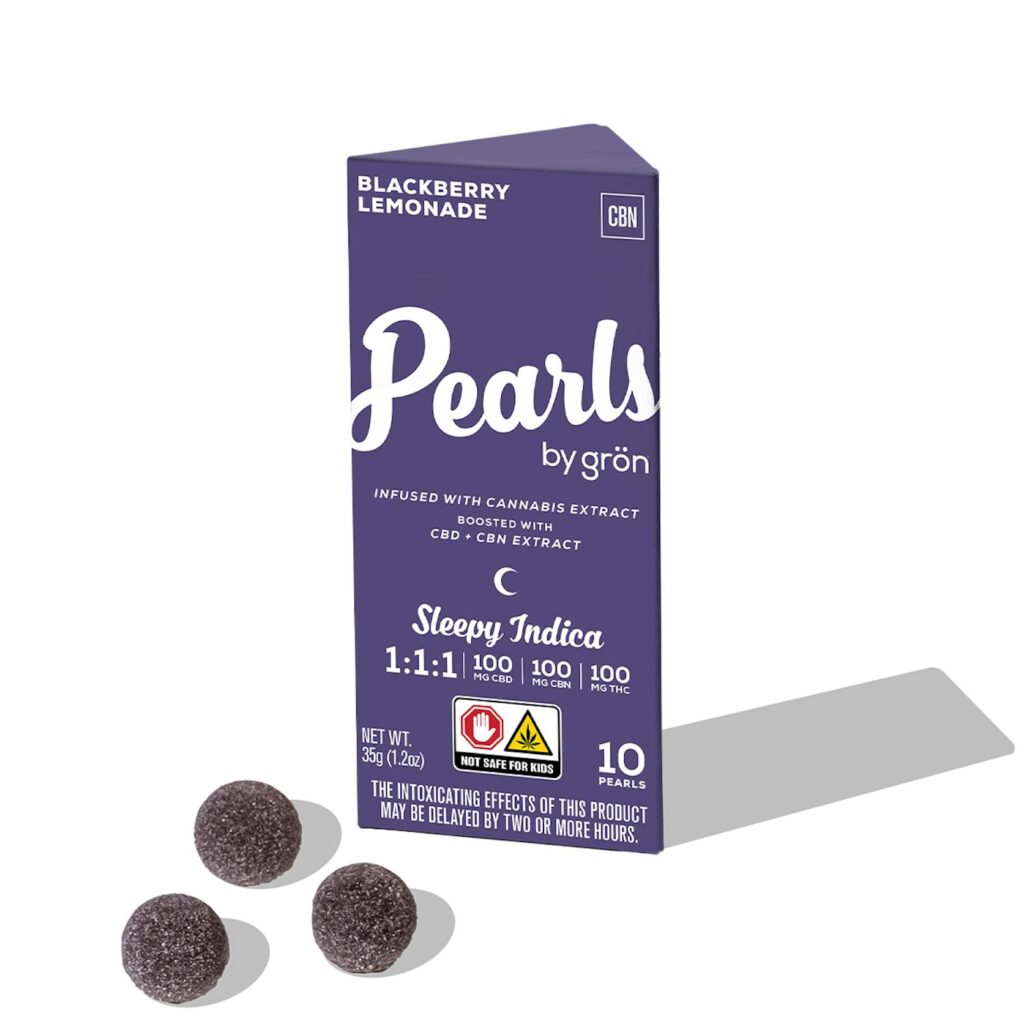
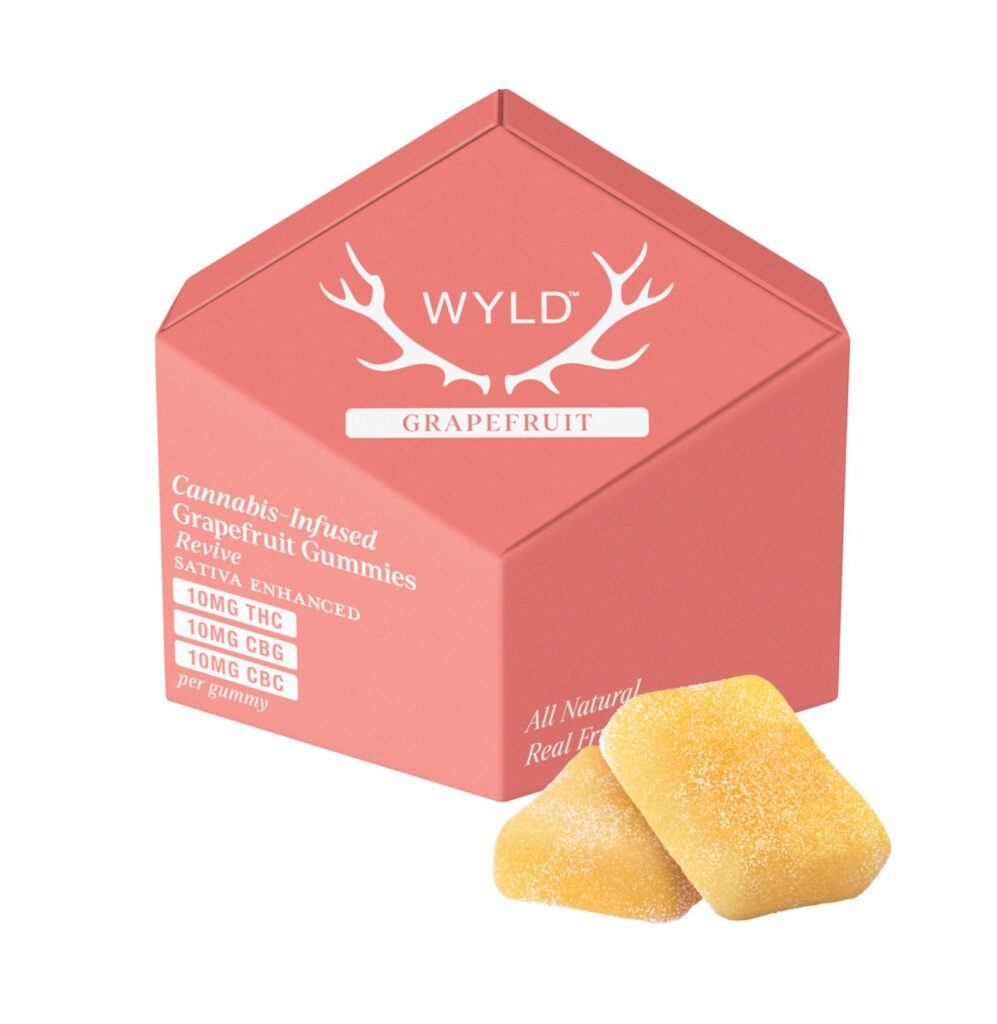
In addition to CBD and THC, cannabis contains other cannabinoids that may appear on labels such as CBN, CBG and CBC. These are often referred to as minor cannabinoids because they are typically found in smaller amounts.
What Is CBN?
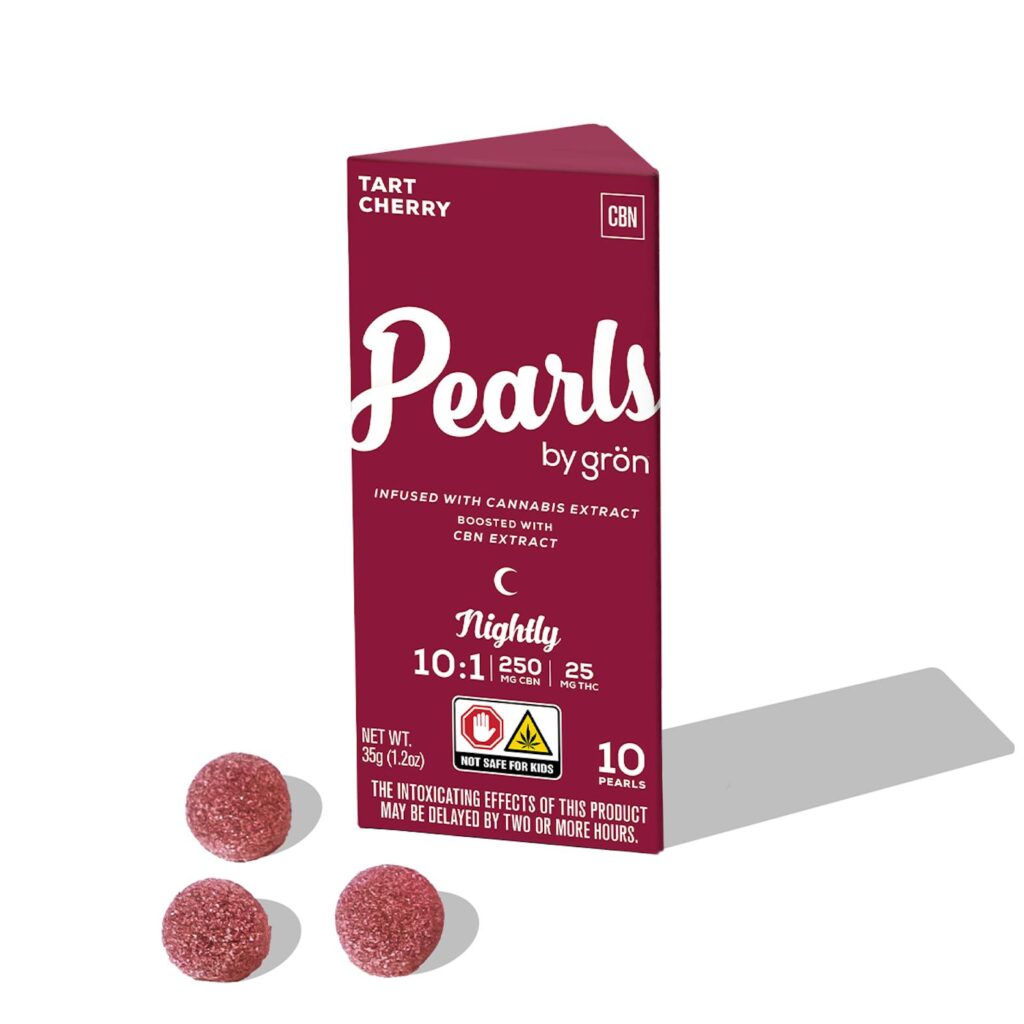
CBN, or cannabinol, is a cannabinoid that forms as THC ages over time. Commonly found in trace amounts, its presence significantly increases with the metabolism, or breakdown, of THC as it ages. This is why CBN is often found in products containing CBD and other compounds.
“There is a lot of interest in CBN as a potential sleep-promoting cannabinoid,” says Leigh Vinocur, M.D., cannabis expert and founder at Ananda Medical Practice and Consulting, a cannabis medicine-focused consulting practice in Baltimore. Because CBN interacts with CB2 receptors in immune cells, it may have anti-inflammatory effects, says Dr. Vinocur.
Products formulated with CBN content are available on the Bud City menu.
What is CBG?
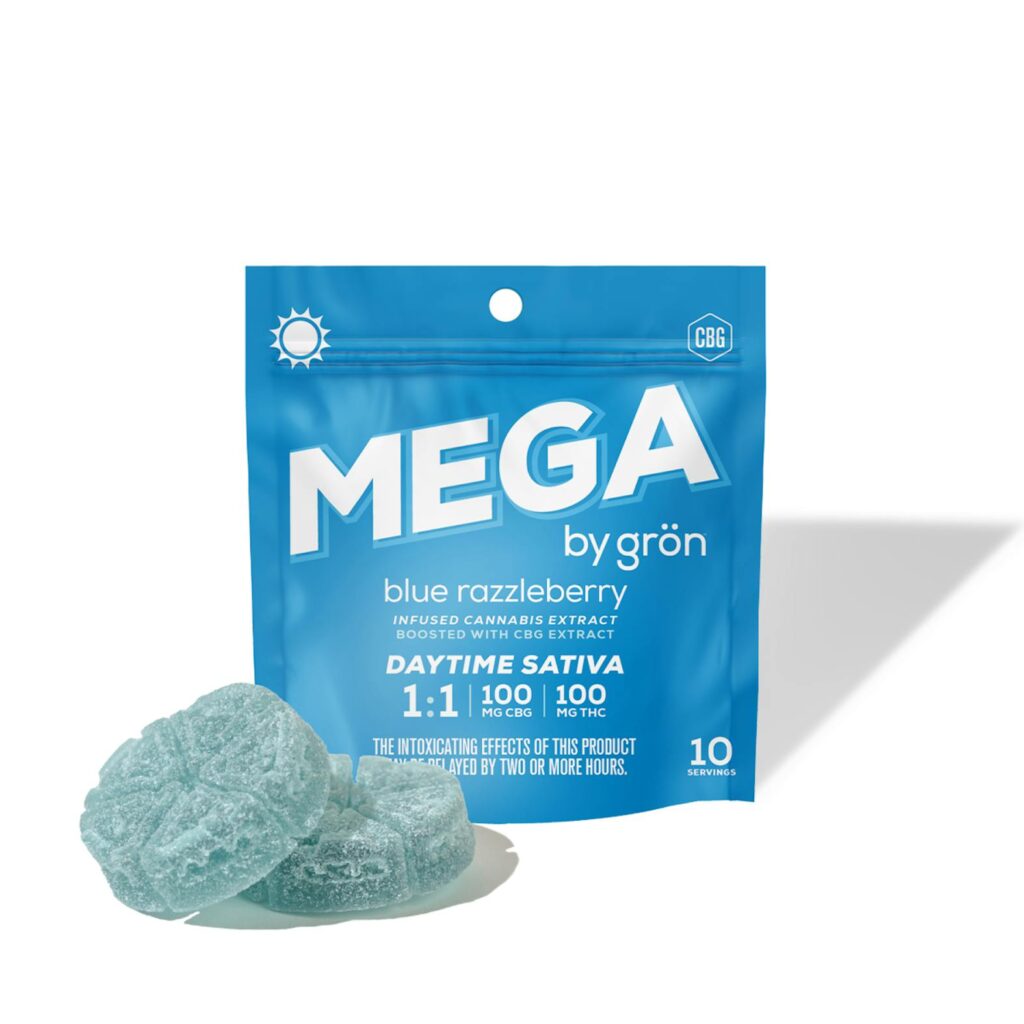
CBG, short for cannabigerol, is often referred to as a starting compound for other cannabinoids or the “mother of all cannabinoids”. The endocannabinoid system (ECS) endocannabinoid system (ECS) is a key target for both CBG and CBD. This intricate system of neurotransmitters and receptors helps control several body processes. In the ECS, CBG interacts with both CB1 and CB2 receptors. CBD does not directly bind to CB1 or CB2 receptors like CBG does. Instead, it has an indirect effect on the ECS.
CBG may help you manage discomfort and relax, according to new studies. CBG has also been shown to act as an antimicrobial against many different agents
When available, CBG is listed on the product label along with other cannabinoids.
What Is CBC?
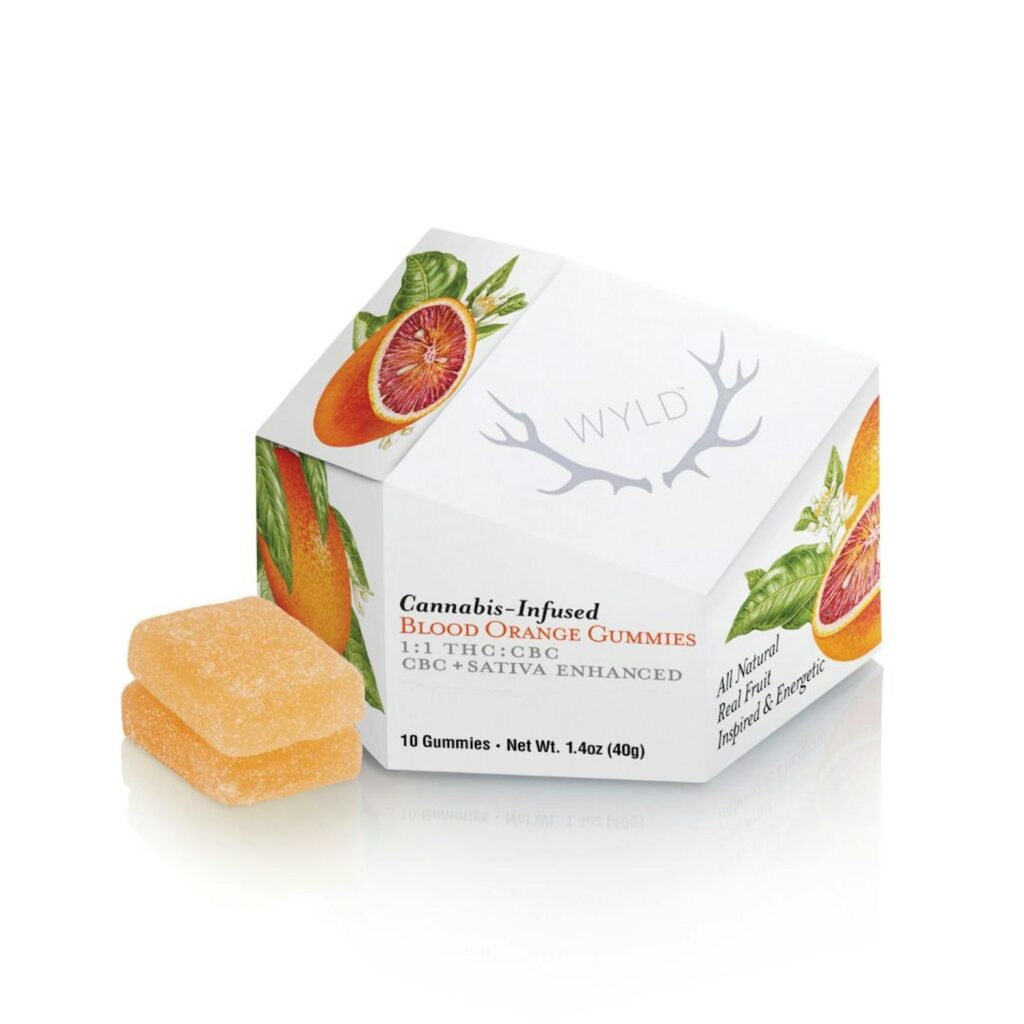
CBC, or cannabichromene, is another cannabinoid found in the cannabis plant.
Cannabichromene (CBC) has been suggested to have disparate therapeutic benefits such as anti-inflammatory, anticonvulsant, antibacterial, and antinociceptive effects. The preliminary studies on CBC indicate that this phytocannabinoid may have unique therapeutic potential that warrants further investigation.
When available, CBC is listed on the product label along with other cannabinoids.
How to Read Labels That Include CBD, CBN, CBG, and CBC
Cannabis labels are designed to provide transparency. When reviewing products that include CBD, CBN, CBG, or CBC, consumers may see:
- Individual cannabinoid breakdown amounts listed by milligrams
- THC content listed separately
- Ingredient lists and serving sizes
- Batch and testing information
Common Types of CBD Products
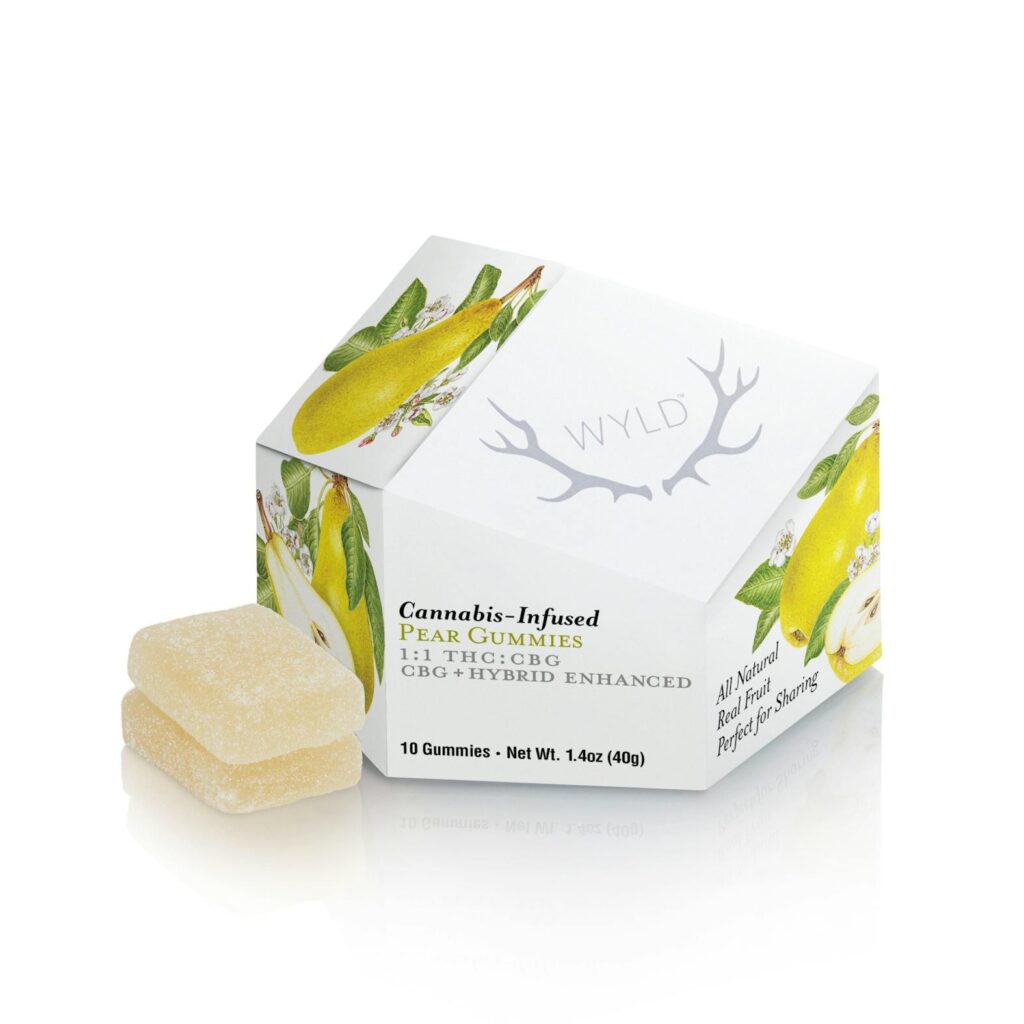
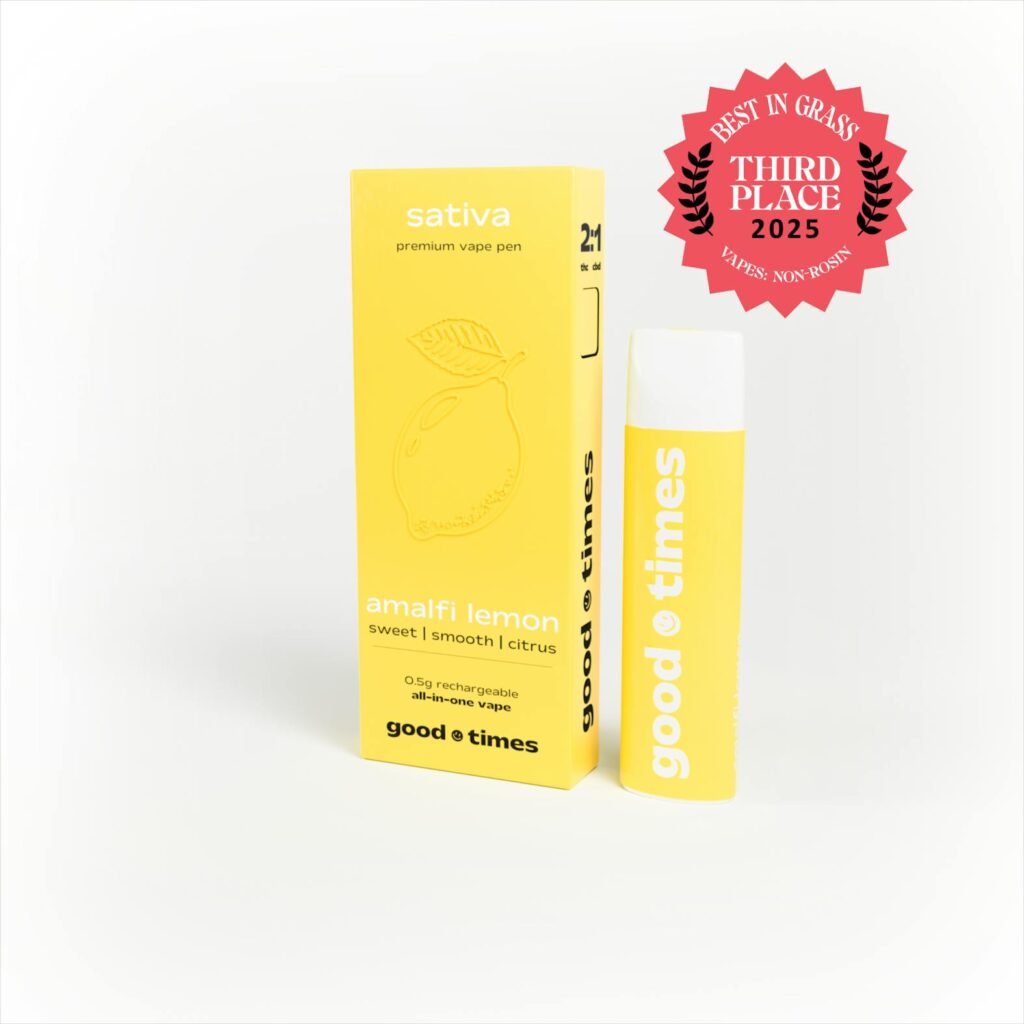
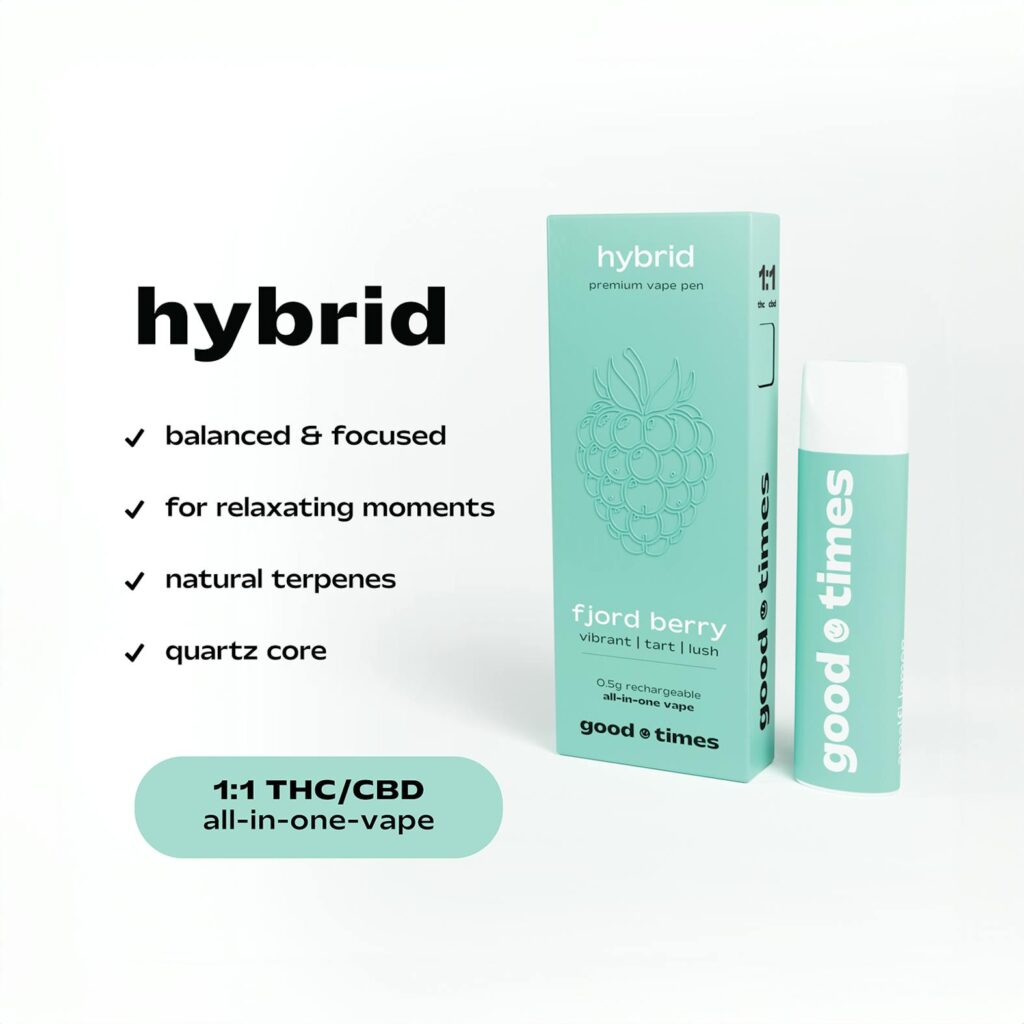
CBD comes in several different formats, providing options based on preference and comfort level. Some of the most common CBD product forms you may see at a dispensary (inventory availability may vary) include:
- Edibles and beverages
- Vaporizers
- Topical products
- Tinctures and oils
- Capsules and tablets
How to Read a CBD Label
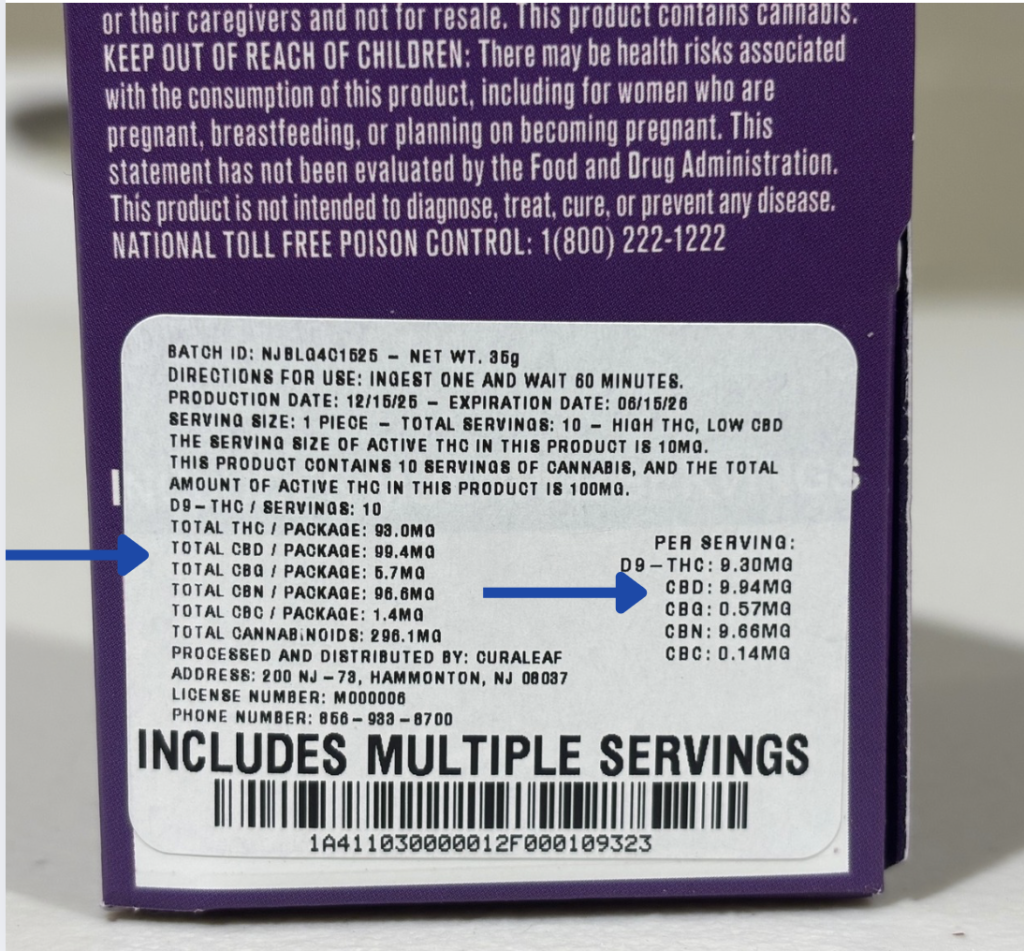
Labels are on product packaging to help, even if they seem confusing at first. If something on a label is unclear, asking a Bud City team member is always encouraged.
A product label in New Jersey typically includes:
- Harvest Date and Expiration Date
- Total Cannabinoids
- Batch/Lot#
- Growth method
- Serving Size/Dosage/Directions
- Net weight
- Total terpenes
- A list of ingredients
- License information of cultivator/manufacturer
Why Licensed Dispensaries Matter
Licensed dispensaries in New Jersey must follow state regulations for testing, labeling, and packaging. These standards help ensure consistency and accuracy across products.
Buying from a licensed dispensary also provides access to trained staff who can explain labels and answer general product questions.
National CBD Month and Learning More
National CBD Month is a reminder that cannabis education goes beyond just one cannabinoid. Bud City is committed to focus on education and providing products with clear, compliant information to consumers.
Learning the basics about CBD, CBN, CBG, and CBC can help consumers to feel more confident and make informed decisions about their product choices.
Scientists are still learning about how CBD affects the body and additional research is still needed on the potential benefits.
Still have questions? We are here to help! We look forward to seeing you soon in Newton, NJ.